


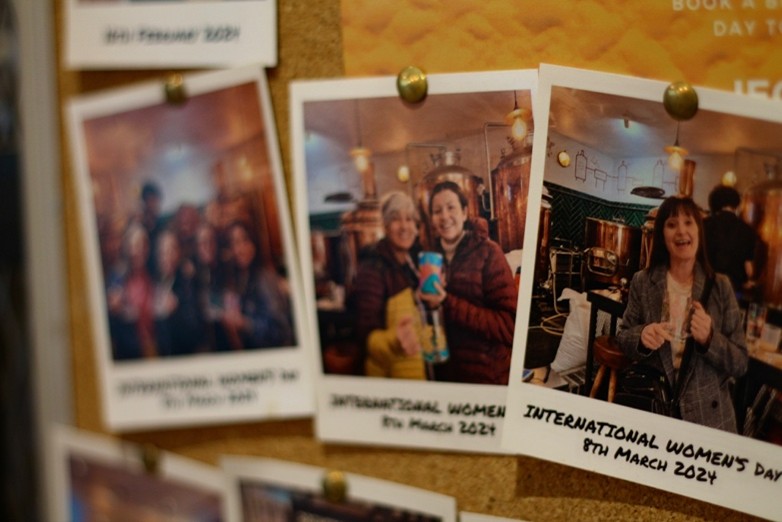
Last Sunday on International Women’s Day, Brewhouse & Kitchen held an open brewing day, including breakfast, lunch, beer tasting and activities. I went down to Pontcanna to join in!
Brewhouse & Kitchen scheduled this event to allow women around Cardiff to understand the process of a microbrewery, as according to industry reports only 3% of brewers are female. As well as demonstrating the process of brewing, every pint sold throughout the day contributed to a donation to breast cancer research.
Brewhouse & Kitchen is a brewpub with locations all over the UK, from Bristol to Nottingham. The concept is simple but appealing; bringing back on-site brewing that was lost to the rise of large-scale breweries like Budweiser and Heineken. The micro-brewery allows customers to see exactly where their beer comes from. Spread across the UK, Brewhouse & Kitchen brings craft brewing into local communities while keeping the process transparent and interactive.
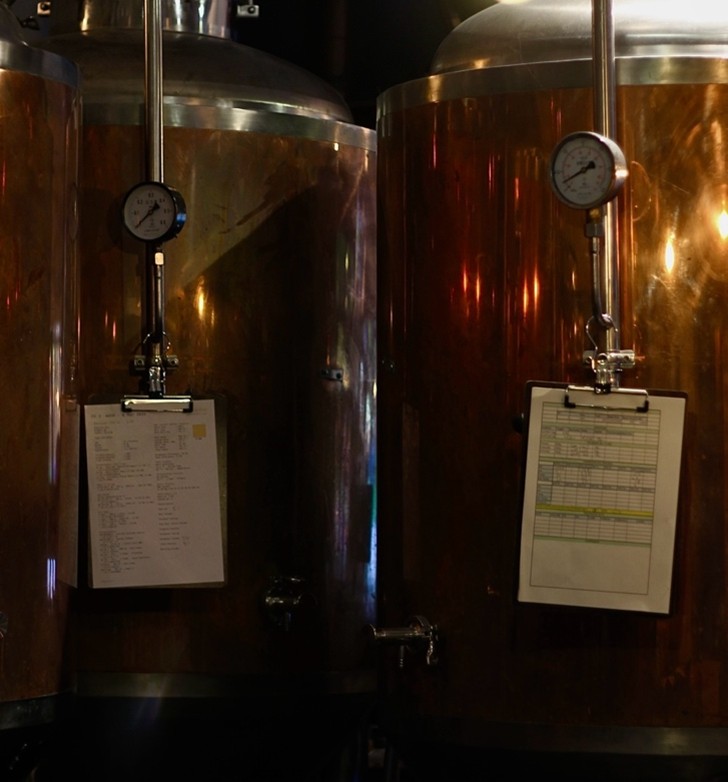
At the heart of the Pontcanna brewpub is Head Brewer Julio, who shared the ins and outs of the brewing process to visitors throughout the day. He explained that the process of brewing takes about two to three weeks and it’s split into two phases, the brew day and the fermentation period. International Women’s Day was brewing day, and I got to watch first-hand the brewing process for the Tropical IPA unfold.
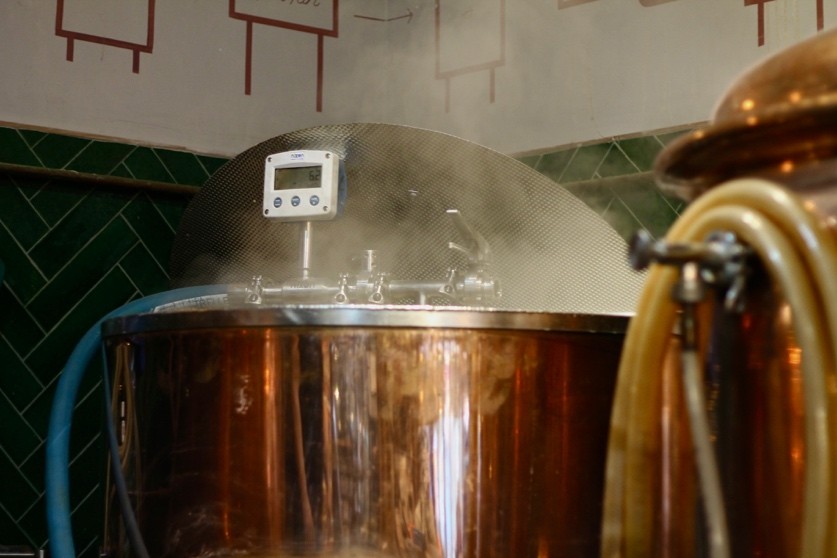
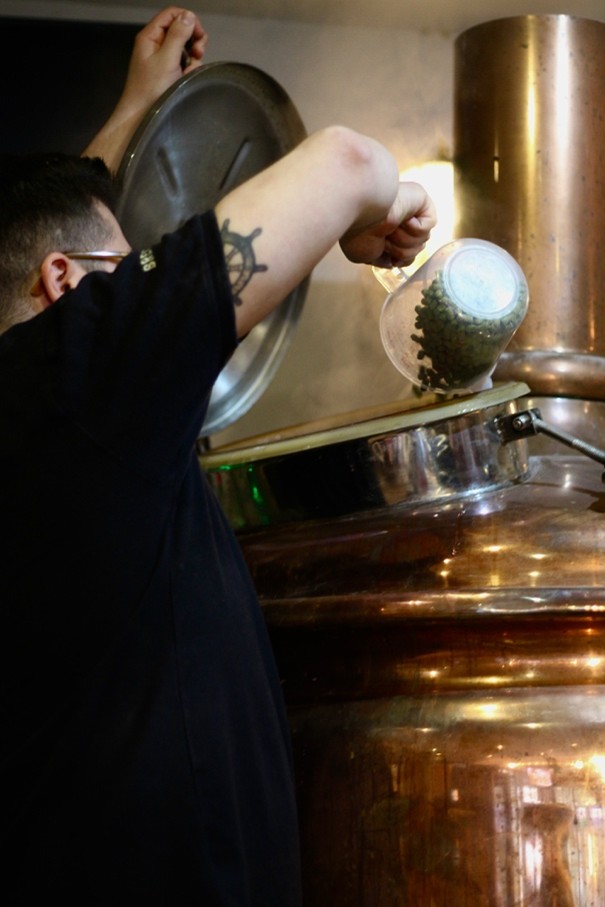
Firstly, crushed barley is boiled to separate the grain from the sugary, starchy liquid that forms the base of the beer. Next, hops are added and steeped, which gives the beer its distinctive bitterness. The liquid travels from mash tank to kettle and then to a buffer tank, which helps to prevent blockages when transferring between vessels.
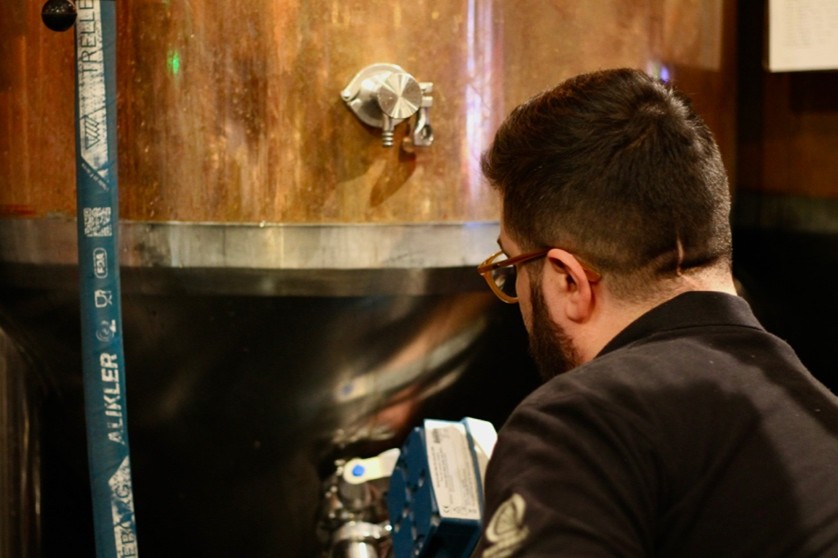
After this process, the beer moves into fermentation, which is what takes the bulk of the two-week process. Thankfully I didn’t have to wait for this to happen, and I got to try a sample of the Tropical IPA. Bright, fresh and packed with flavour, Julio described it as a ‘gateway IPA’, perfect for people who might shy away from IPAs.
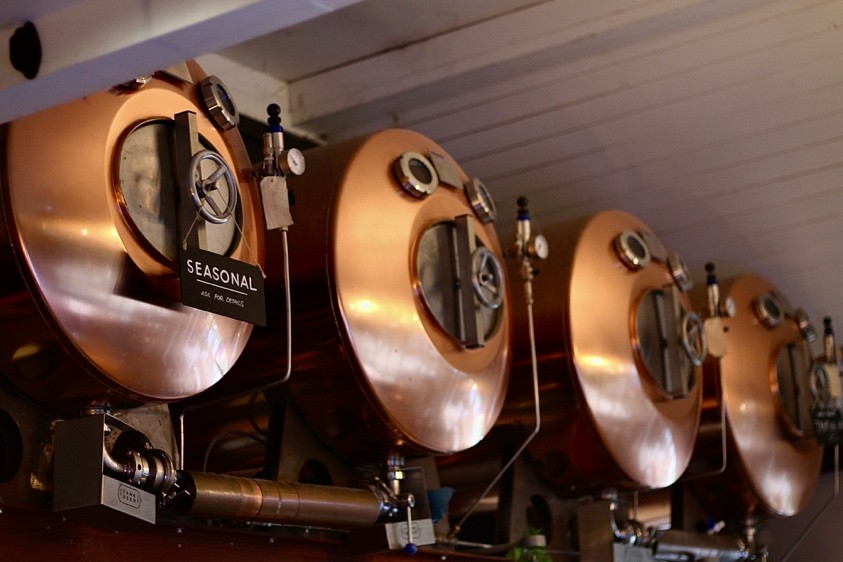
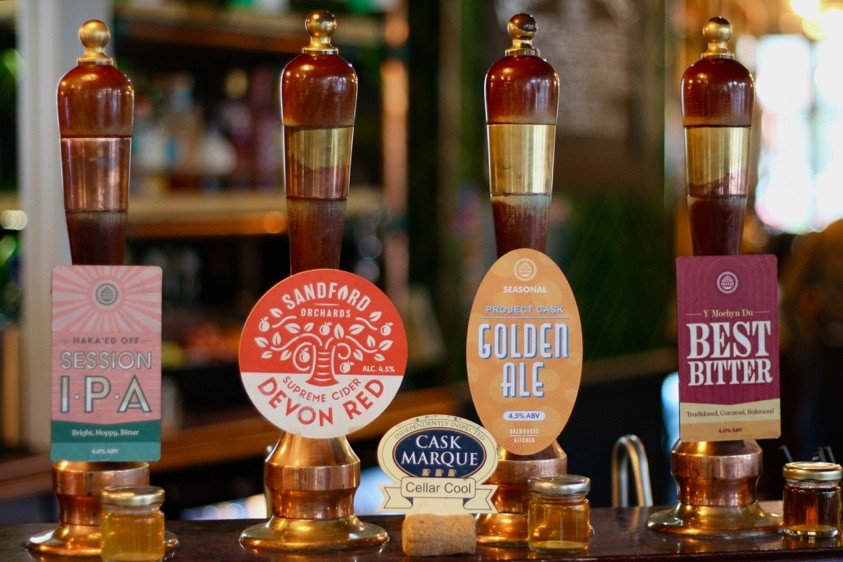
As I sipped away, Julio explained some important points of craft brewing. After the brewing process, ales can stay fresh in a cask for about five days before going off. Unlike other draft beers, cask ales are kept in the cellar and served slightly warmer with less carbonation. The flatter beer is smoother and allows the flavours to really shine. Julio highlighted the importance of monitoring the yeast as temperature and pH levels can affect the end result.
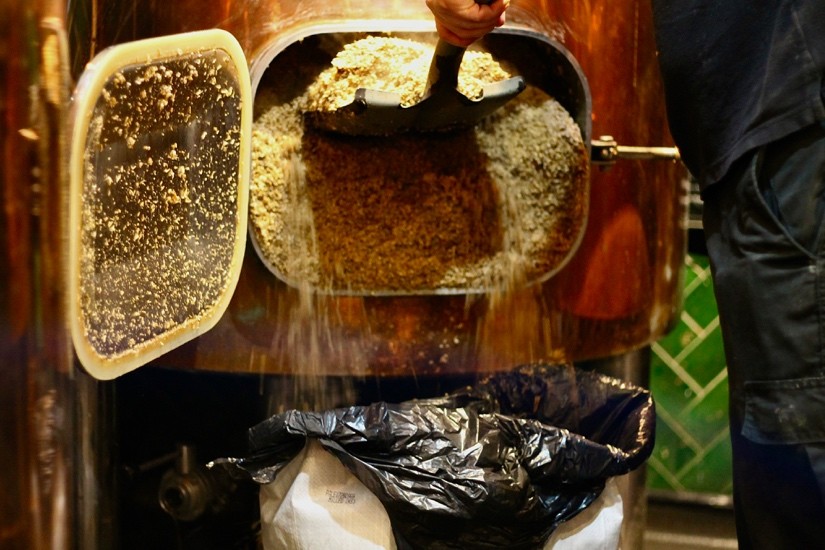
Julio also explained what happens to the left over grain and how it becomes a by-product instead of waste. They dig it out and bag it up, giving it to a local farmer to feed livestock. It’s a clever example of how brewing can feed back into the food chain and reduce waste.
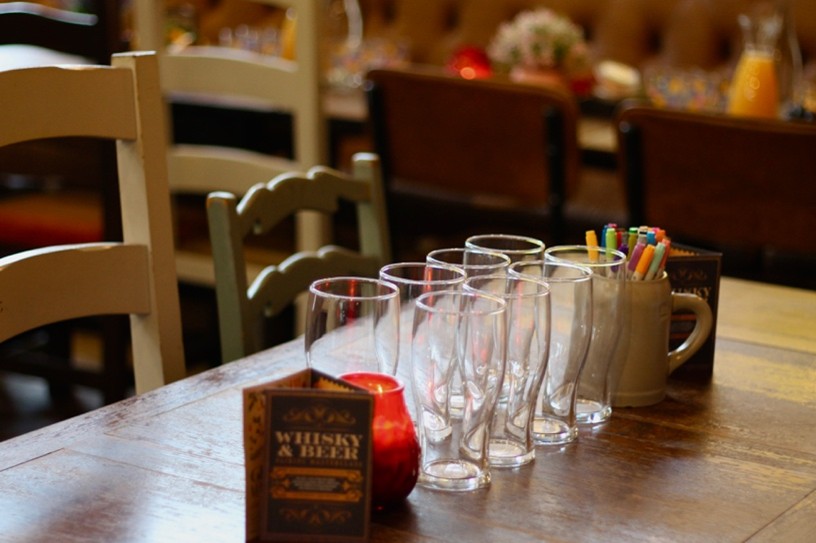
Sat at the brewing station, the brilliant event co-ordinator, Amy, brought over some glassware pens to decorate our own pint glasses, adding a creative twist to the afternoon.
Whilst decorating the glasses, I had the chance to try the spring seasonal ale, the Golden Ale. Smooth with a subtle honey-like aftertaste, I struggled to choose a favourite between it and the Tropical IPA! I also sampled the Italian Pilsner, which Julio jokingly referred to as a ‘lager on steroids’ – aromatic with plenty of floral character. The other stand-out beers are the Best Bitter and the Tiger Bay Stout, with rich chocolatey notes, designed as a distinctive alternative to Guinness. On the whole, the bar staff reckoned that the pub’s biggest seller remains the aptly named Legend Lager.
Chatting with some of the bar staff revealed just how wide the world of beer is. One waitress mentioned a German beer called Schlenkerla, where the grains are smoked over logs giving the drink an unexpected smoky flavour like barbecue sauce. I didn’t realise how experimental beer can be!
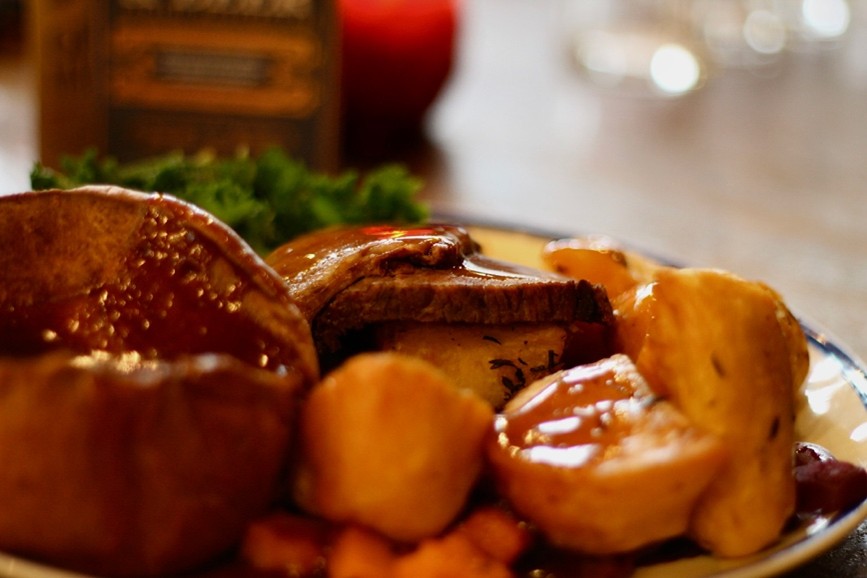
After all of these tastings, I was served a hearty roast beef dinner, with crispy roast potatoes and Yorkshire puddings and plenty of rich gravy. It was a truly perfect pub lunch, suiting the drizzly Cardiff March weather and warmth of barley in the air.
More than just a pleasant Sunday afternoon, the event highlighted the importance of representation in an industry historically dominated by men, while inviting women in the community to learn about brewing in a welcoming way.

