


On a rainy day in November 2015, a group of young people from Coed Cae youth club gathered in Merthyr Tydfil armed with costumes, creativity, and a willingness to play along with two artists they had only just met.
For photographer Clémentine Schneidermann and Merthyr-born creative director Charlotte James, it was meant to be a simple workshop and photoshoot. Instead, it became the first chapter of It’s Called Ffasiwn, a collaborative project that would span the next decade and inevitably find its way to National Museum Cardiff.
Opening on 23 May, Ffasiwn celebrates ten years of creative collaboration between Schneidermann, James, and a total of 80+ artists and collaborators from communities across the South Wales Valleys. Running until April 2027, the exhibition traces the project’s evolution from that first rain-soaked shoot with Coed Cae to a nationally recognised body of work that challenges how the Valleys and its young people are represented.
“We didn’t have any set at the beginning,” Schneidermann reflects, describing the early stages of the project as instinctive rather than planned, going from a bedsheet with no budget to a fully developed staged setup over time.
What started as a single workshop with Coed Cae youth club gradually developed into a long-term collaboration shaped by repetition, trust, and return visits. Rather than a fixed concept, It’s Called Ffasiwn evolved through years of summer schools, school holidays, and ongoing work with youth clubs across the South Wales Valleys.
The process, as described in the conversation behind the exhibition, was deliberately flexible. Early sessions often began with simple ideas around clothing, colour, and comfort, before expanding into more structured shoots. Costumes were introduced, adapted, and often reworked with the young people themselves, with the emphasis placed on participation rather than instruction.
A recurring example of how the project developed through long-term relationships with participants is the involvement of Rio, who became part of the work over time rather than through a single workshop.
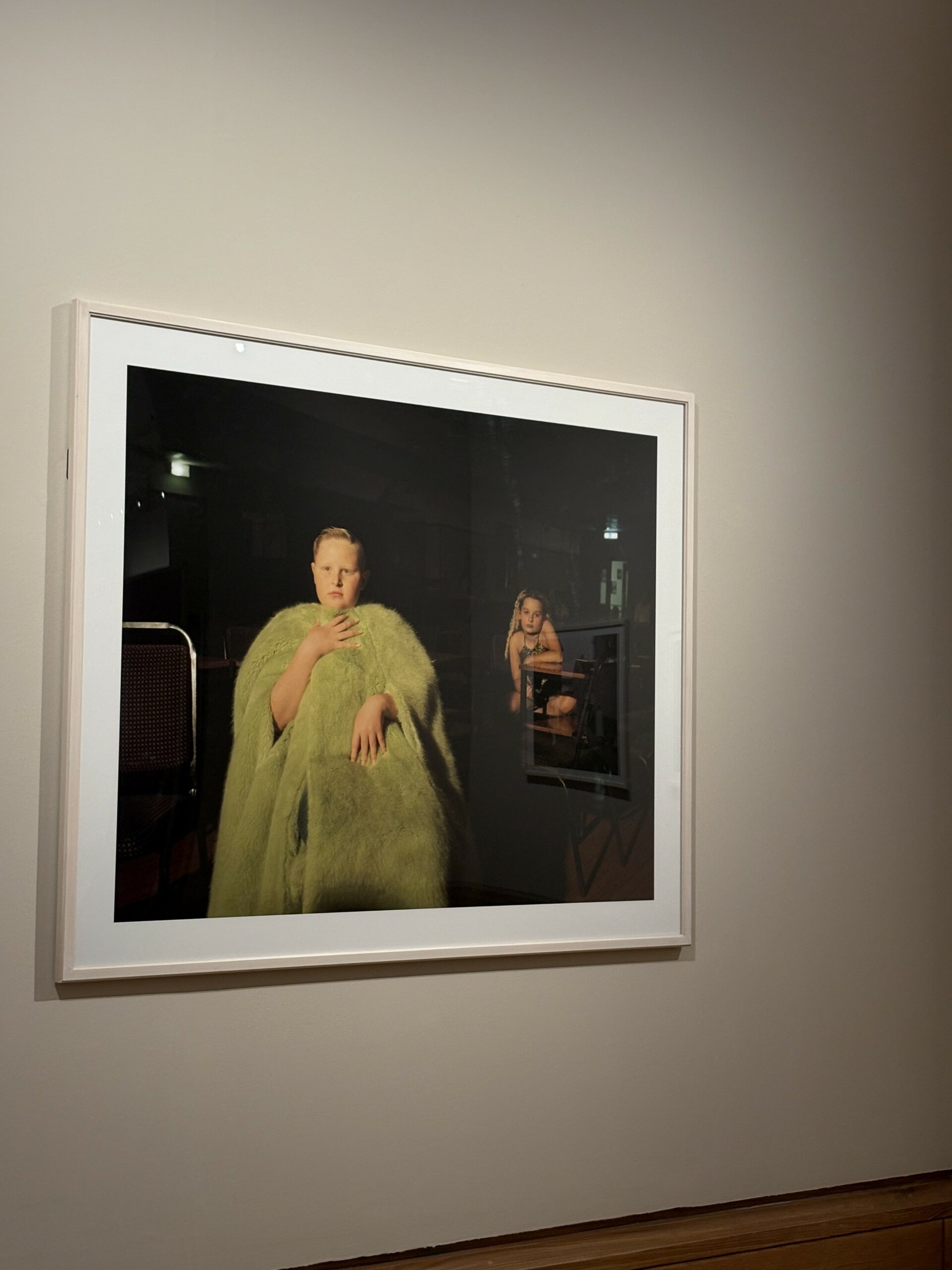
As Charlotte describes, the collaboration grew organically through repeated engagement at the youth club:
“This was the first time we met Rio… we just came in from the Labour Club and he ended up joining in… and then all the girls were like on the table, it’s like this big table, and then Rio just jumps up, grabs one of the fur off one of them, pushing them all out of the way… and everyone’s like, ‘what’s Rio done?’ And there was just so much going on behind this.”
A key part of the methodology emerged through repeated summer school programmes, where young people would spend time both in workshops and out on location. These sessions often followed seasonal or thematic frameworks, from colour-led concepts to references drawn from Halloween, Valentine’s Day, or local visual culture, before being translated into photographic shoots across Valleys landscapes.
Schneidermann described how “we wanted to bring… you know… humour, beauty and what you normally don’t see in the media,” capturing a key sentiment behind the project, alongside a shared emphasis on challenging dominant representations of life in the Valleys.
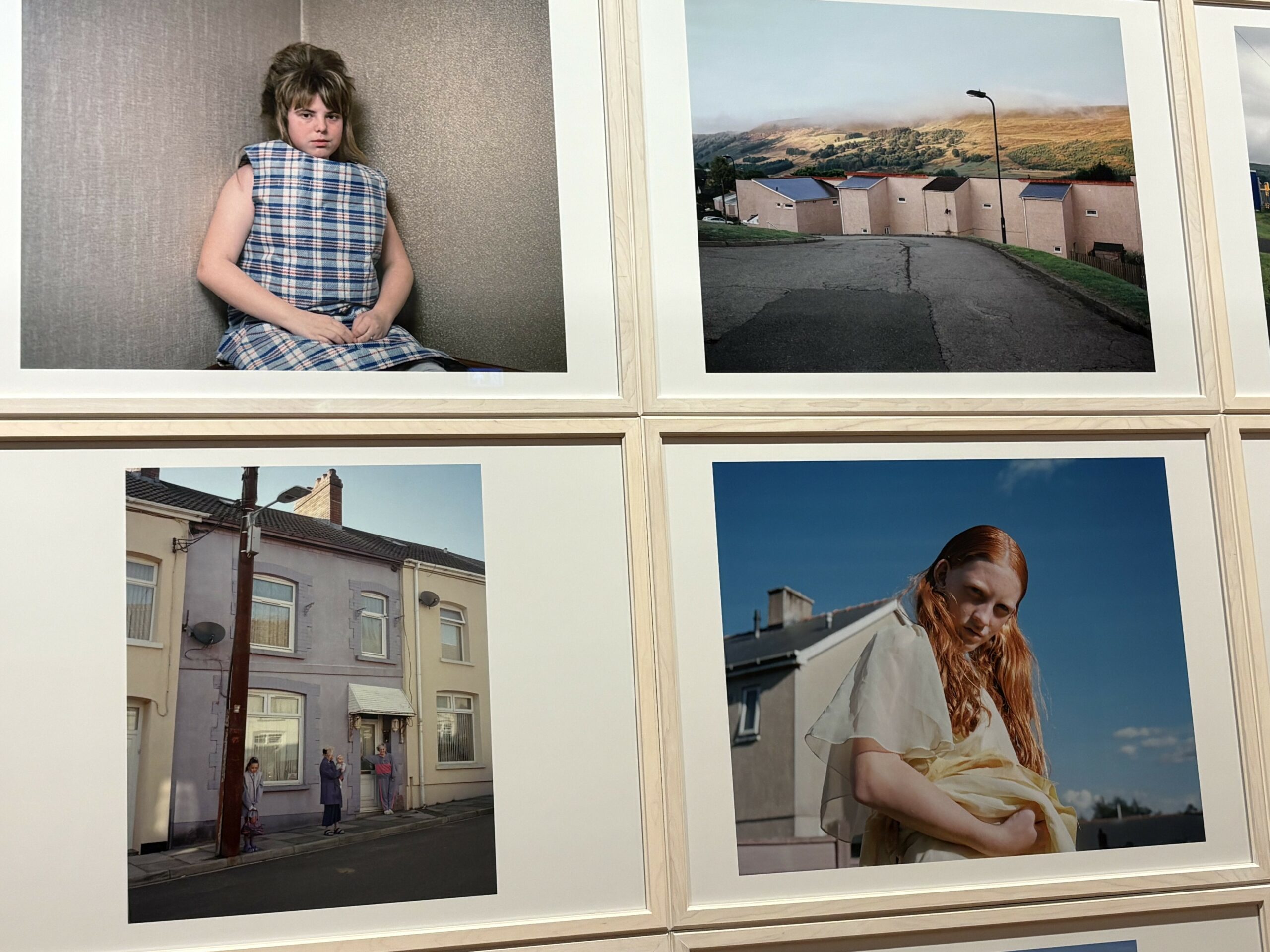
That intention is consistent throughout the project: to move away from one-dimensional portrayals of post-industrial Wales and instead focus on lived experience, imagination, and play. As another clear point from the photographers puts it, the work is about “real people, real houses, real stories.”.
The exhibition at National Museum Cardiff reflects that evolution. Structured chronologically, it traces the project from its earliest Coed Cae youth club sessions through to more recent, complex collaborative works produced across different Valleys communities.
As Schneidermann notes in the discussion, the project only works because of that wider ecosystem: youth workers, local communities, and participants who continued to return and contribute over time.
Ultimately, Ffasiwn is not framed as an ending, but as a continuation. Emerging from a rain-soaked youth club in Coed Cae, it arrives at a national museum not as closure, but as evidence of what can happen when communities are given time, trust, creative ownership, and the space to keep building on it.

